The Injector Is the Artist: Why Aesthetics Is a Craft, Not a Commodity
Let's say something that doesn't get said enough: you are an artist.
Not in the soft, greeting-card sense. In the real one. The product in your hand is a commodity — the same tox, the same hyaluronic acid, available to every injector in your city. What is not a commodity is the eye that decides where it goes, how much, and why. That eye is the entire difference between a result that looks done and a result that looks like the best version of someone's own face. And that eye is yours.
The syringe is the easy part
Anyone can be trained to reconstitute a vial and place a needle. That's the mechanical layer, and it's learnable in a weekend. It's also the part that gets all the marketing attention — the "certified in one day" courses, the deal-of-the-month specials.
But the industry itself knows the truth: artistry is what separates top injectors from everyone else. The art of injectables lives in knowing how much, where, and why — not in the ability to administer a product. It's assessing facial balance, reading proportion, understanding how a face moves and ages, and building a plan that serves this person's structure rather than a trend off someone else's Instagram. That's not a technical skill. That's an artistic one.
What the art actually looks like
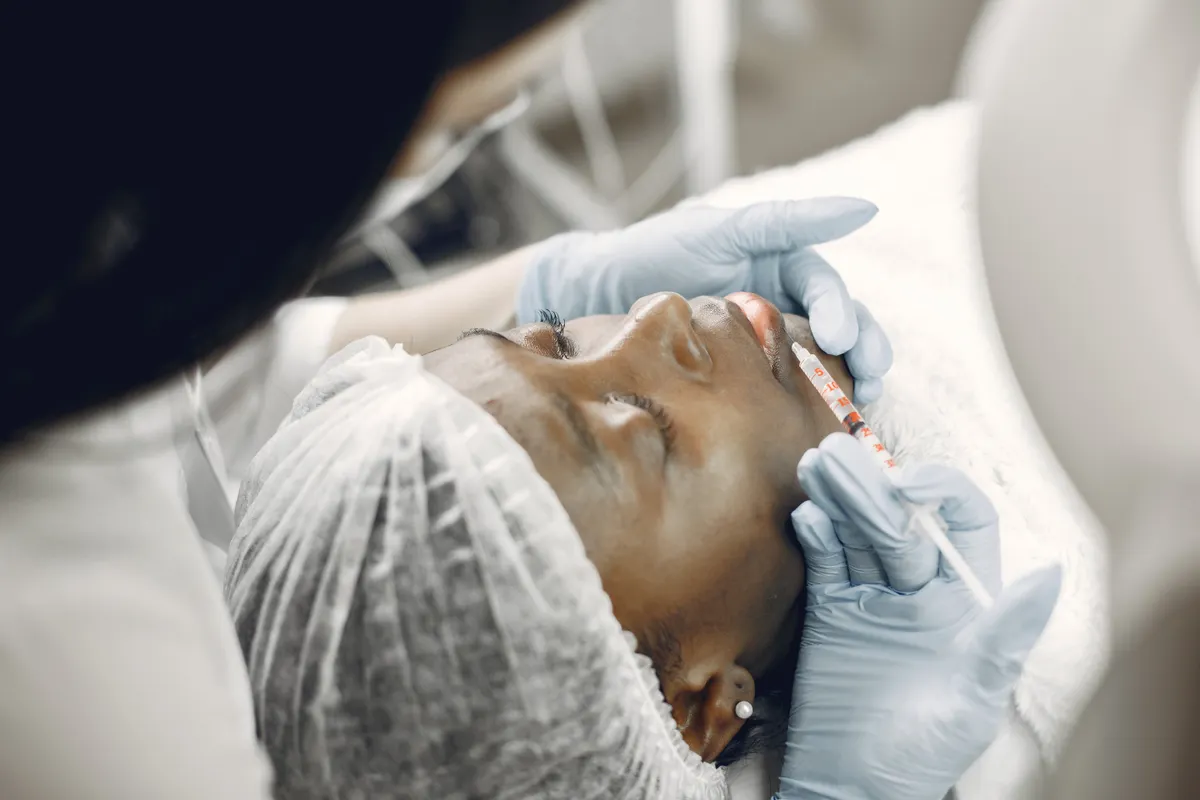
It's the restraint to use half a syringe when the patient asked for a full one — because you can see that more would tip her from refreshed into overdone.
It's treating the midface to lift a nasolabial fold instead of chasing the crease directly, because you understand the face as a single connected canvas, not a set of isolated problems.
It's saying "not yet" to a 22-year-old who wants what she saw online, because you know her anatomy doesn't need it and your job is her face, not her request.
It's the judgment to dissolve someone else's migrated filler and rebuild it in stages, choosing the harder, slower, more honest path because the outcome matters more than the appointment count.
None of that is in the training manual. All of it is artistry.
Why "natural" is the hardest art of all
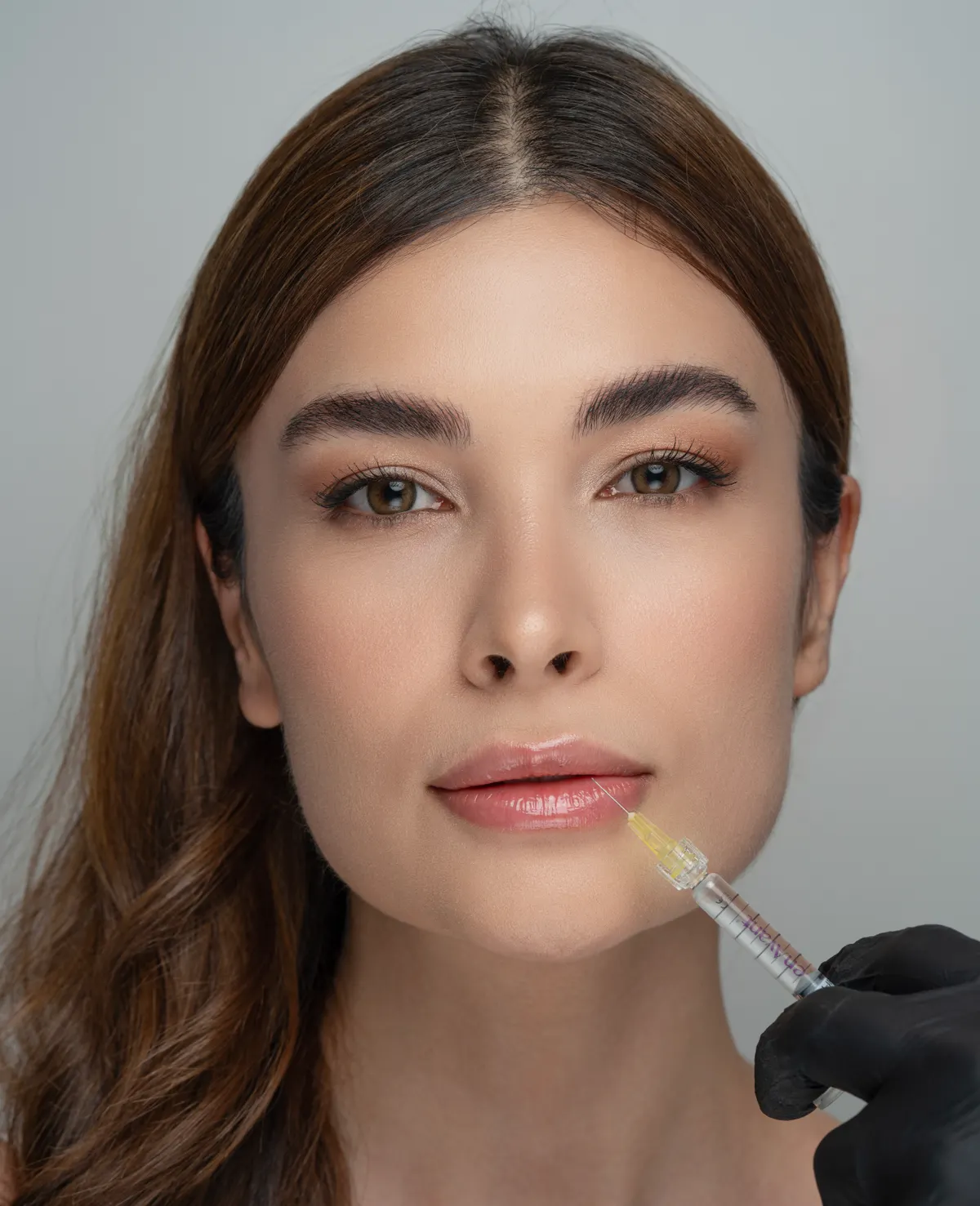
The dramatic result is easy to sell and easy to spot. The natural result — "she looks great, I can't tell what she had done" — is exponentially harder, because there's nowhere to hide. Every millimeter shows. Getting someone to look like themselves on their best day, with no tells, is the injector's equivalent of a portrait painter capturing not just a likeness but a presence. It's the highest expression of the craft, and it almost never gets the credit it deserves, precisely because it worked.
The part that isn't art — and shouldn't cost you the part that is
Here's the frustrating truth: the artistry is maybe 20% of your day. The rest is the business around the art — the charting, the consents, the documentation, the admin that follows every patient. None of that is why you got into this. None of it is where your gift lives. But it's real, it's required, and it quietly eats the hours you'd rather spend on the craft.
That's the only place a tool like ScribeFlow belongs in this conversation: not as the artist, but as the thing that clears the un-artistic busywork off your plate so the artist has room to work. You handle the face. Let the note handle itself. We're honest about our role — we're not the talent, we're the stagehands. The art was always yours.
I built ScribeFlow because I watched injectors give away their evenings to admin — and I wanted to protect their time for the art.
To the injector reading this
The next time someone calls what you do "just Botox," remember what actually happened in that room: you looked at a human being, saw a version of them they couldn't see themselves, and brought it into focus with a steadiness and a judgment that took years to earn. That's not a commodity. That's a craft. That's art.
Keep making it.
A tribute, not legal or medical advice. Every face, and every artist's approach, is different.